We specialize in brownstone fire escape painting in Brooklyn, serving Park Slope, Carroll Gardens, Brooklyn Heights, Bed-Stuy, and every landmarked Brooklyn neighborhood.
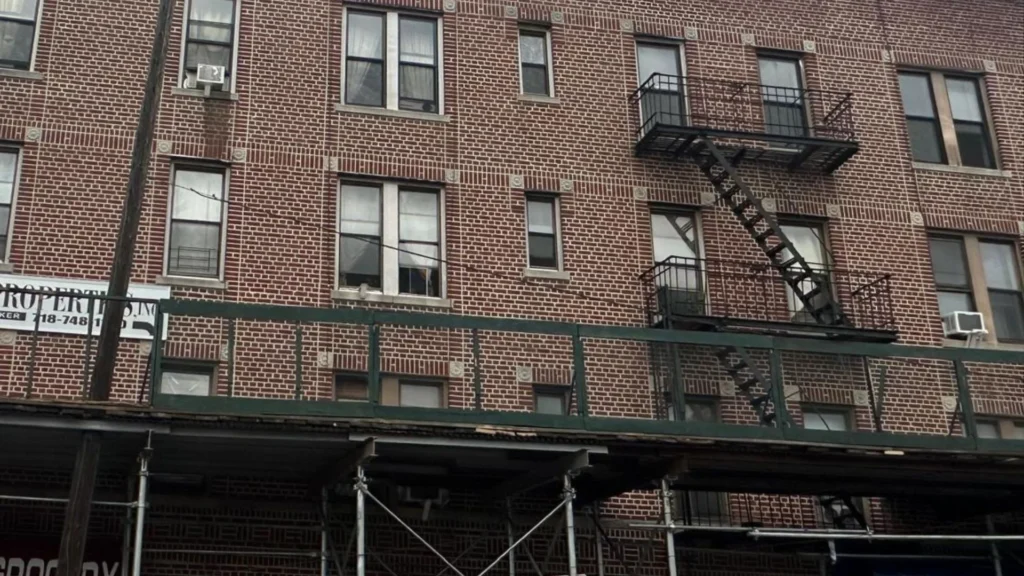
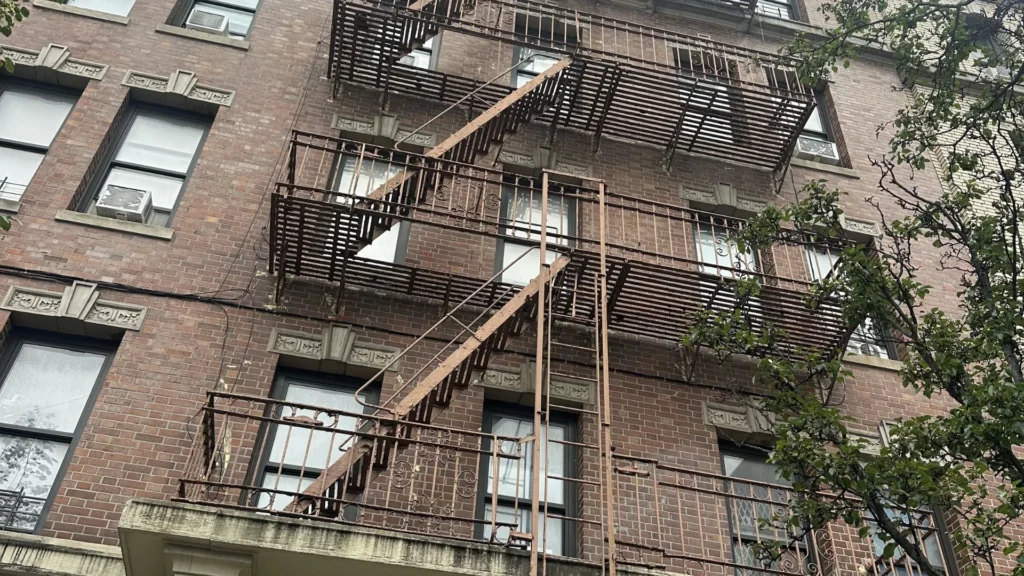
Your Brooklyn brownstone’s fire escape isn’t like a modern building’s.
Most Brooklyn brownstones built before 1920 have wrought iron fire escapes.
Wrought iron is fibrous, not solid. Grinding is the standard rust-removal method for steel, but on wrought iron it can tear into the grain structure and weaken it.
That’s why we hand wire-brush wrought iron and use a rust converter instead of a grinder. It takes longer, but it’s the only safe way to treat a structure that’s over a century old.
Before we touch anything, we identify which metal your building has. It’s a five-minute check that changes the entire approach. Most fire escape painting companies never mention this, because most of them have never had to learn it.
Pre-war building fire escape painting in NYC requires this same metal-identification step no matter the borough. It matters most in Brooklyn, where wrought iron brownstone stock is denser than almost anywhere else in the city.
If your building is landmarked, painting isn’t just paint. It’s a process.
Brooklyn Heights, Carroll Gardens, Cobble Hill, Park Slope, and Boerum Hill are all protected by the Landmarks Preservation Commission (LPC). You need a Certificate of No Effect or a Certificate of Appropriateness before you paint. We check your property status before we start so you avoid fines and forced removals.
The color matters too. LPC districts generally require historically appropriate paint colors, not whatever shade a contractor has on the truck. Using the wrong color, or skipping the approval step, can mean redoing the work at your expense.
Fire Escape Painting Brooklyn handle this two ways:
No other Brooklyn fire escape painting company walks you through this. It’s a small number of buildings, relatively speaking. If yours is one of them, it’s the single most important thing to get right before any brush touches metal.
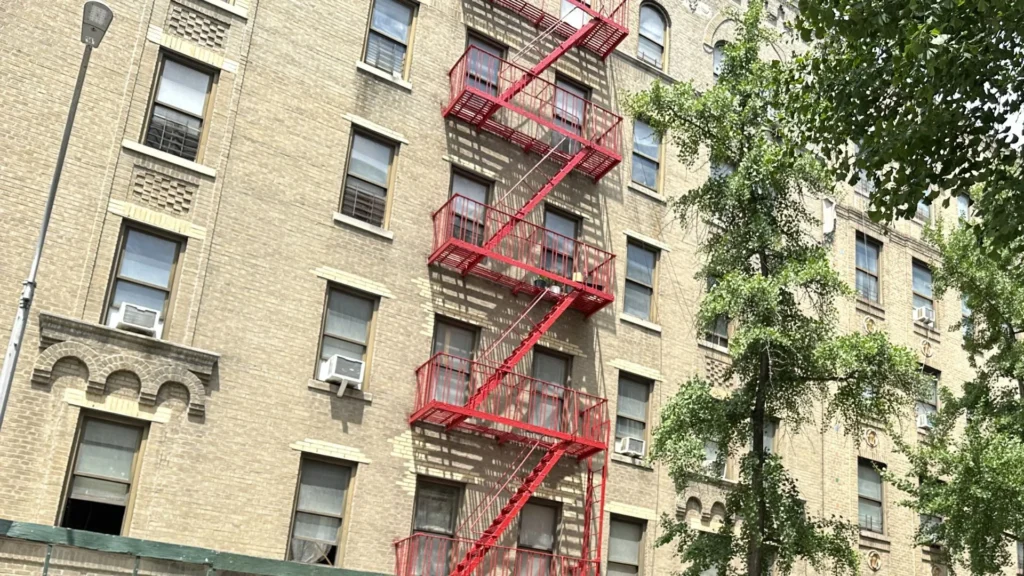
Why does every fire escape get painted in two contrasting colors?
Since 1929, NYC’s Administrative Code has required fire escapes to be painted with two coats of contrasting colors.
For example, a dark base coat and a lighter top coat, or vice versa. The reason is practical. It lets a DOB inspector visually confirm that both coats were actually applied, just by looking at the surface.
If only one color is used, an inspector can’t verify coverage without scraping the paint. That can hold up your inspection or trigger a follow-up visit.
We apply both coats in genuinely contrasting shades, not two similar tones that technically qualify but don’t visually satisfy an inspector. We document the colors used for your records. That documentation matters if your building ever needs to show compliance history to the DOB or to a co-op board.
If your building is a co-op, there’s a process. Here’s how it usually goes.
Co-op boards are responsible for fire escape maintenance. That means the board typically needs to approve the contractor before any work starts. Usually that means providing references, insurance certificates, and a project timeline for board review.
Here’s the sequence we follow with co-op boards:
We’ve done this enough times with Brooklyn co-op boards to know what they need before they ask for it. That usually means fewer delays and fewer follow-up questions from the board.
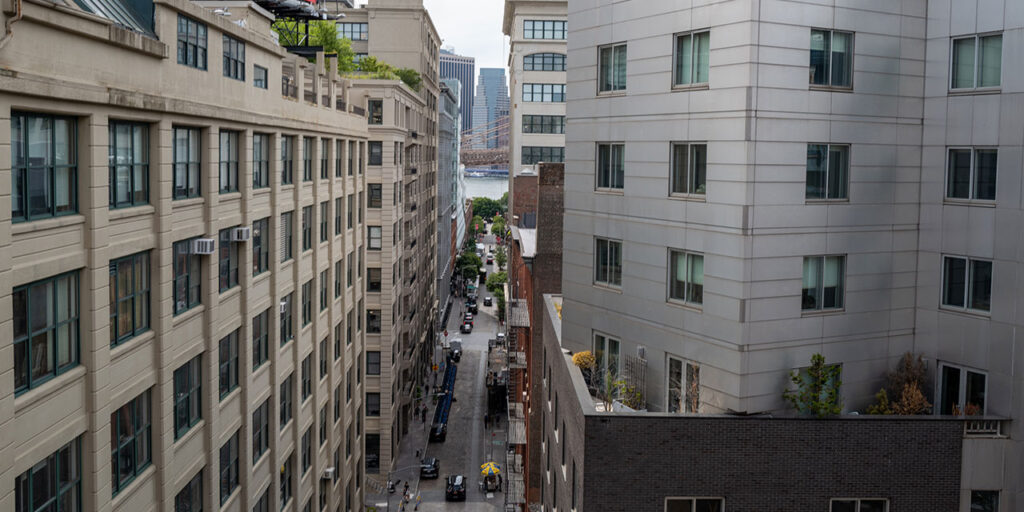
We work in every corner of the borough. We’re in Park Slope brownstones every week, and we know the specific LPC-adjacent requirements for Carroll Gardens and Cobble Hill row houses.
Whether it’s original wrought iron in Bed-Stuy or pre-war steel in Brooklyn Heights and Fort Greene, we’ve seen the unique quirks of your block before. We know how to navigate the local landmarks and co-op boards for every one of these neighborhoods.
We’ve done this work across Park Slope, Carroll Gardens, Brooklyn Heights, and every landmarked block in between, whether you need LPC approval guidance, wrought iron restoration, or a straightforward DOB-compliant repaint.
Call us 1 (347) 378-9376 for a free Brownstone assessment.
DOB fines accumulate daily; the sooner your fire escape is assessed, the more you save.
If you're in a historic district, possibly. Don't guess and don't risk a fine. We check your property’s status during our site visit. If you need a Certificate of No Effect, we’ll handle the guidance so the work stays legal.
Landmarked districts generally require historically appropriate colors rather than any shade a contractor has on hand. We identify the acceptable range for your specific district and apply the required two contrasting coats within it.
Wrought iron is common in pre-1920 brownstones. It's hand wire-brushed and treated with a rust converter to avoid damaging its fibrous grain. Steel is more common after 1920 and can safely handle mechanical grinding and sandblasting for full rust removal.
Yes. We provide the insurance certificates, references, and project timelines Brooklyn co-op boards typically require for approval. We submit completion documentation to your managing agent once the work is done.
We provide expert rust-proofing, painting, and violation clearance across all 29 Brooklyn neighborhoods. We keep your historic brownstones and commercial properties compliant and safe.
Copyright © 2026, All rights reserved.